Naming Service
개요
Naming 서비스는 Java Naming and Directory Interface(JNDI) API를 이용하여 자원(Resource)를 찾을 수 있도록 도와주는 서비스이다. Naming 서비스를 지원하는 Naming 서버에 자원을 등록하여 다른 어플리케이션에서 사용할 수 있도록 공개하고, Naming 서버에 등록되어 있는 자원을 찾아와서 이용할 수 있게 한다.
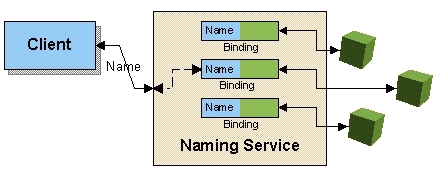
주요 개념
Java Naming and Directory Interface(JNDI)
Java Naming and Directory Interface(JNDI)는 Java 소프트웨어 클라이언트가 이름(name)을 이용하여 데이터 및 객체를 찾을 수 있도록 도와주는 디렉토리 서비스에 대한 Java API이다.
설명
Naming 서비스는 사용하는 방식에는 Spring XML Configuration 파일에 설정하는 방식과 JNDI API를 wrapping한 JndiTemplate class를 사용하는 방식이 있다.
-
Spring XML Configuration 파일에 설정하는 방식 :
Spring XML Configuration 설정파일에 JNDI 객체를 bean으로 등록하는 방식으로, JNDI 객체를 Lookup만 할 수 있다. 일반적으로 가장 많이 사용된다. -
JNDI API를 wrapping한 JndiTemplate class를 사용하는 방식 :
Spring Framework에서 JNDI API를 쉽게 사용할 수 있도록 제공하는 JndiTemplate class를 직접 사용하는 방식으로, JNDI API 기능을 모두 사용해야 할 경우 사용하는 방식이다.
Spring XML Configuration 설정
Spring Framework는 XML Configuration 파일에 JNDI 객체를 설정할 수 있다. 단, 설정 파일을 통해서는 JNDI 객체를 lookup하는 것만 가능하므로, bind, rebind, unbind 기능을 사용하려면 Using JndiTemplate 방식을 사용해야 한다.
Spring Framework은 XML Configuration을 간편하게 할 수 있게 하기 위해 jee 네임스페이스를 제공하고 있다. 전자정부 개발프레임워크는 Spring 6.2를 기반으로 하며, 본 가이드는 jee tag를 사용한 방식과 The IoC Container 기준으로 설명한다.
설정
jee tag를 사용하기 위해서는 Spring XML Configuration 파일의 머릿말에 namespace와 schemaLocation를 추가해야 한다.
-
namespace : xmlns:jee=“ http://www.springframework.org/schema/jee"
-
schemaLocation : http://www.springframework.org/schema/jee http://www.springframework.org/schema/jee/spring-jee.xsd
<?xml version="1.0" encoding="UTF-8"?>
<beans xmlns="http://www.springframework.org/schema/beans"
       xmlns:xsi="http://www.w3.org/2001/XMLSchema-instance"
       xmlns:jee="http://www.springframework.org/schema/jee"
       xsi:schemaLocation="
http://www.springframework.org/schema/beans http://www.springframework.org/schema/beans/spring-beans.xsd
http://www.springframework.org/schema/jee http://www.springframework.org/schema/jee/spring-jee.xsd">

    <!-- <bean/> definitions here -->

</beans>
jndi-lookup tag
jndi-lookup tag는 JNDI 객체를 찾아서 bean으로 등록해주는 tag이다.
tag 설명
    <jee:jndi-lookup id="bean id"
                     jndi-name="jndi name"
                     cache="true or false"
                     resource-ref="true or false"
                     lookup-on-startup="true or false"
                     expected-type="java class"
                     proxy-interface="java class">
        <jee:environment>
            name=value
            ping=pong
            ...
        </jee:environment>
    </jee:jndi-lookup>
jndi-lookup tag는 Spring Framework의 JndiObjectFactoryBean class와 1:1로 매핑된다. tag의 attribute 값은 다음과 같다.
| id | Spring XML Configuration의 bean id이다. | N | String | ||
| jndi-name | 찾고자 하는 JNDI 객체의 이름이다. | N | String | ||
| cache | 한번 찾은 JNDI 객체에 대한 cache여부를 나타낸다. | Y | boolean | true | |
| resource-ref | J2EE Container 내에서 찾을지 여부를 나타낸다. | Y | boolean | false | |
| lookup-on-startup | 시작시에 lookup을 수행할지 여부를 타나낸다. | Y | boolean | true | |
| expected-type | 찾는 JNDI 객체를 assign할 타입을 나타낸다. | Y | Class | 값이 지정되지 않았을 경우 무시한다. | |
| proxy-interface | JNDI 객체를 사용하기 위한 Proxy Interface이다. | Y | Class | 값이 지정되지 않았을 경우 무시한다. |
jndi-lookup tag의 element인 environment tag는 JNDI Environment 변수값을 등록할 때 사용한다. environment tag는 ‘foo=bar’ 와 같이 <변수명>=<변수값> 형태의 List를 값으로 가진다.
예제
-
Simple
가장 단순한 설정으로 이름만을 사용하여 JNDI 객체를 찾아준다. 아래 이름 “jdbc/MyDataSource”로 등록되어 있는 JNDI 객체를 찾아 “userDao” Bean의 “dataSource” property로 Dependency Injection하는 예제이다.
<jee:jndi-lookup id="dataSource" jndi-name="jdbc/MyDataSource"/> <bean id="userDao" class="com.foo.JdbcUserDao"> <!-- Spring will do the cast automatically (as usual) --> <property name="dataSource" ref="dataSource"/> </bean> -
With single JNDI environment settings
아래는 단일 JNDI 환경 설정을 사용하여 JNDI 객체를 찾아오는 예제이다.
<jee:jndi-lookup id="dataSource" jndi-name="jdbc/MyDataSource"> <jee:environment>foo=bar</jee:environment> </jee:jndi-lookup> -
With multiple JNDI environment settings
아래는 복수 JNDI 환경 설정을 사용하여 JNDI 객체를 찾아오는 예제이다.
<jee:jndi-lookup id="dataSource" jndi-name="jdbc/MyDataSource"> <!-- newline-separated, key-value pairs for the environment (standard Properties format) --> <jee:environment> foo=bar ping=pong </jee:environment> </jee:jndi-lookup> -
Complex
아래는 이름 외 다양한 설정을 통해 JNDI 객체를 찾아오는 예제이다.
  <jee:jndi-lookup id="dataSource"
              jndi-name="jdbc/MyDataSource"
              cache="true"
              resource-ref="true"
              lookup-on-startup="false"
              expected-type="com.myapp.DefaultFoo"
              proxy-interface="com.myapp.Foo"/>
local-slsb tag
local-slsb tag는 EJB Stateless SessionBean을 참조하기 위한 tag이다.
tag 설명
    <jee:local-slsb id="bean id"
                    jndi-name="JNDI name"
                    business-interface="Java Class"
                    cache-home="true or false"
                    lookup-home-on-startup="true or false"
                    resource-ref="true or false">
        <jee:environment>
            name=value
            ping=pong
            ...
        </jee:environment>
    </jee:local-slsb>
locak-slsb tag는 Spring Framework의 LocalStatelessSessionProxyFactoryBean class와 1:1로 매핑된다. tag의 attribute는 다음과 같다.
| id | Spring XML Configuration의 bean id이다. | N | String | ||
| jndi-name | 찾고자 하는 EJB의 JNDI 이름이다. | N | String | ||
| business-interface | Proxing할 EJB의 Business interface이다. | N | Class | ||
| cache-home | 한번 찾은 EJB Home 객체에 대한 cache여부를 나타낸다. | Y | boolean | true | |
| lookup-home-on-startup | 시작 시에 lookup을 수행할지 여부를 나타낸다. | Y | boolean | true | |
| resource-ref | J2EE Container 내에서 찾을지 여부를 나타낸다. | Y | boolean | false |
local-slsb tag의 element인 environment tag는 JNDI Environment 변수값을 등록할 때 사용한다. evironment tag는 ‘foo=bar’ 와 같이 <변수명>=<변수값> 형태의 List를 값으로 가진다.
예제
-
Simple
간단히 사용하는 예제이다.
<jee:local-slsb id="simpleSlsb" jndi-name="ejb/RentalServiceBean" business-interface="com.foo.service.RentalService"/> -
Complex
local-slsb tag를 사용하기 위해 다양한 설정 값을 이용하는 예제이다.
  <jee:local-slsb id="complexLocalEjb"
      jndi-name="ejb/RentalServiceBean"
      business-interface="com.foo.service.RentalService"
      cache-home="true"
      lookup-home-on-startup="true"
      resource-ref="true"/>
remote-slsb tag
remote-slsb tag는 remote EJB Stateless SessionBean을 참조하기 위한 tag이다.
tag 설명
    <jee:remote-slsb id="bean id"
                     jndi-name="JNDI name"
                     business-interface="Java Class"
                     cache-home="true or false"
                     lookup-home-on-startup="true or false"
                     resource-ref="true or false"
                     home-interface="Java Class"
                     refresh-home-on-connect-failure="true or false">
        <jee:environment>
            name=value
            ping=pong
            ...
        </jee:environment>
    </jee:remote-slsb>
remote-slsb tag는 Spring Framework의 SimpleRemoteStatelessSessionProxyFactoryBean class와 1:1로 매핑된다. tag의 attribute는 아래와 같다.
| id | Spring XML Configuration의 bean id이다. | N | String | ||
| jndi-name | 찾고자 하는 EJB의 JNDI 이름이다. | N | String | ||
| business-interface | Proxing할 EJB의 Business interface이다. | N | Class | ||
| cache-home | 한번 찾은 EJB Home 객체에 대한 cache여부를 나타낸다. | Y | boolean | true | |
| lookup-home-on-startup | 시작 시에 lookup을 수행할지 여부를 나타낸다. | Y | boolean | true | |
| resource-ref | J2EE Container 내에서 찾을지 여부를 나타낸다. | Y | boolean | false | |
| home-interface | EJB Home interface이다. | Y | Class | ||
| refresh-home-on-connect-failure | 연결 실패 시, EJB Home을 reflesh할지 여부를 나타낸다. | Y | boolean | false |
remote-slsb tag의 element인 environment tag는 JNDI Environment 변수값을 등록할 때 사용한다. evironment tag는 ‘foo=bar’ 와 같이 <변수명>=<변수값> 형태의 List를 값으로 가진다.
예제
-
Simple
간단히 사용하는 예제이다.
<jee:remote-slsb id="complexRemoteEjb" jndi-name="ejb/MyRemoteBean" business-interface="com.foo.service.RentalService" home-interface="com.foo.service.RentalService"/> -
Complex
remove-slsb tag를 사용하기 위해 다양한 설정 값을 이용하는 예제이다.
  <jee:remote-slsb id="complexRemoteEjb"
                   jndi-name="ejb/MyRemoteBean"
                   business-interface="com.foo.service.RentalService"
                   cache-home="true"
                   lookup-home-on-startup="true"
                   resource-ref="true"
                   home-interface="com.foo.service.RentalService"
                   refresh-home-on-connect-failure="true"/>
JndiTemplate 클래스 사용
JndiTemplate class는 JNDI API를 쉽게 사용할 수 있도록 제공하는 wrapper class이다.
bind
아래 JndiTemplateSample class의 bind 메소드는 JndiTemplate을 이용하여 argument ‘resource’를 argument ’name’으로 JNDI 객체로 bind한다.
import javax.naming.NamingException;

import org.springframework.jndi.JndiTemplate;

...

public class JndiTemplateSample
{
    private JndiTemplate jndiTemplate = new JndiTemplate();

    ...

    public boolean bind(final String name, Object resource)
    {
        try
        {
            jndiTemplate.bind(name, resource);
            return true;
        }
        catch (NamingException e)
        {
            e.printStackTrace();
            return false;
        }
    }

    ...
}
lookup
JndiTemplate을 이용하여 argument ’name’으로 등록되어 있는 자원(resource)를 찾을 수 있다.
    public Object lookupResource(final String name)
    {
        try
        {
            return jndiTemplate.lookup(name);
        }
        catch (NamingException e)
        {
            e.printStackTrace();
            return null;
        }
    }
lookup with requiredType
JndiTemplate의 lookup 메소드는 찾고자 하는 자원의 이름 뿐 아니라 원하는 타입(Type)을 지정할 수 있다.
    public Foo lookupFoo(final String fooName)
    {
        try
        {
            return jndiTemplate.lookup(fooName, Foo.class);
        }
        catch (NamingException e)
        {
            e.printStackTrace();
            return null;
        }
    }
rebind
JndiTemplate의 rebind 메소드를 사용하여 자원을 재등록할 수 있다.
    public boolean rebind(final String name, Object resource)
    {
        try
        {
            jndiTemplate.rebind(name, resource);
            return true;
        }
        catch (NamingException e)
        {
            e.printStackTrace();
            return false;
        }
    }
unbind
JndiTemplate의 unbind 메소드를 사용하여 등록된 자원을 등록해제할 수 있다.
    public boolean unbind(final String name)
    {
        try
        {
            jndiTemplate.unbind(name);
            return true;
        }
        catch (NamingException e)
        {
            e.printStackTrace();
            return false;
        }
    }
참고자료
- The IoC Container - Spring Framework 6.2
- Spring Framework JndiTemplate API (6.2)
- Java-based Container Configuration / Bean Definition (jee 스키마의 jndi-lookup 등은 IoC Container의 Bean 정의 방식과 연동됨)
- Java SE Guide to JNDI